
Al-Balad is not just a place; it is a sensory journey. Wander through coral-stone alleys where history breathes through wooden Rawashin and every corner tells a story of pilgrims, merchants, and the sea.
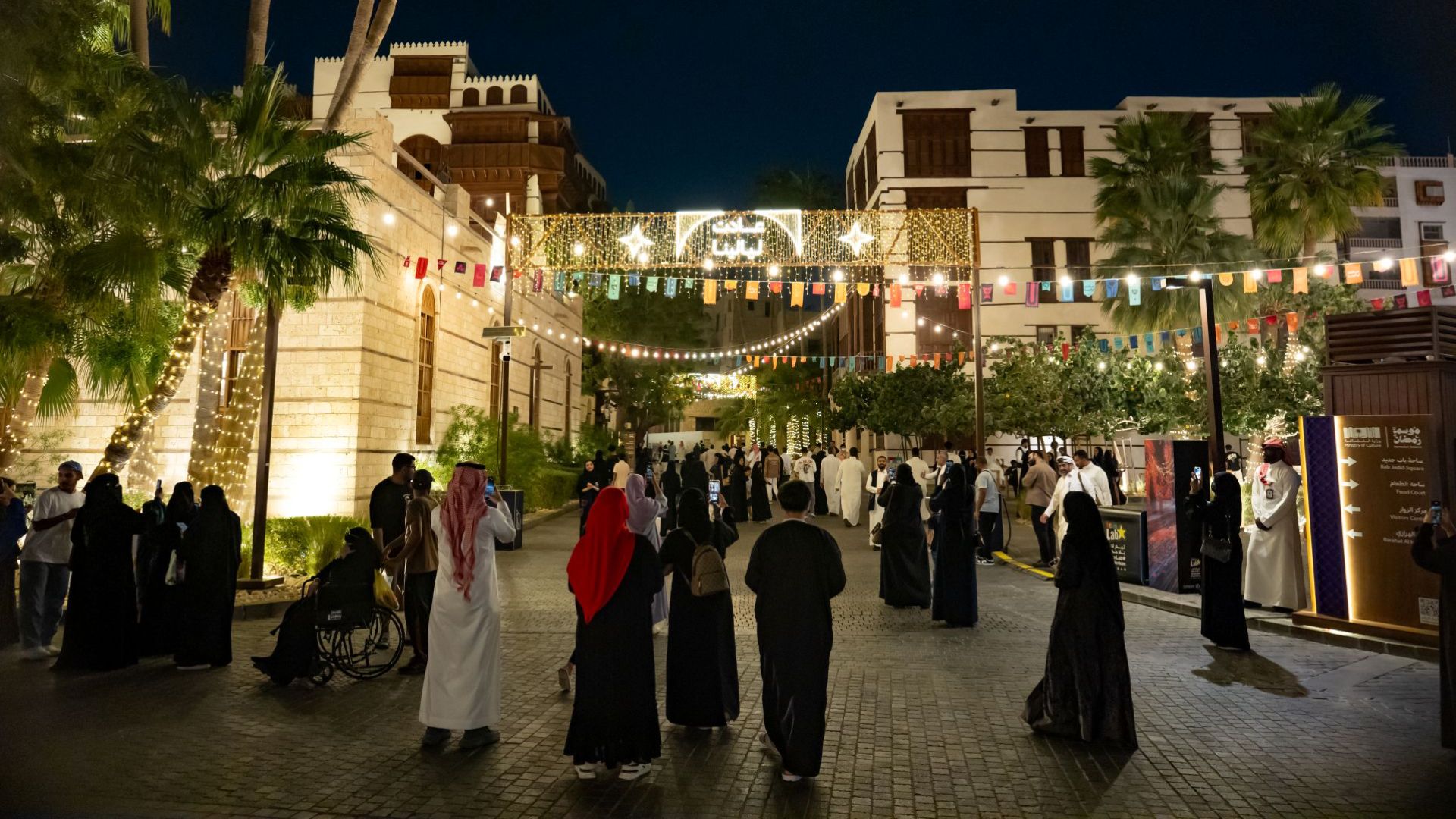
Jeddah Al-Balad is the historical heart of Saudi Arabia’s Red Sea coast. Established in the 7th century AD, it served as the primary gateway for millions of pilgrims destined for Mecca. This history has created a unique cultural mosaic that is unlike anywhere else in the Kingdom.
Walking through Al-Balad is like stepping onto a movie set from a bygone era. The air carries the scent of burning oud and freshly baked bread from traditional bakeries that have operated for decades. The sound of the Azan (call to prayer) echoes beautifully off the high walls of the ancient houses, creating a spiritual atmosphere that captivates every visitor.

A team of experts in organizing tours and trips across Saudi Arabia, we are committed to delivering the highest standards of safety and comfort in every experience we offer. Our mission is to showcase the Kingdom’s culture and heritage to the world.
The most striking feature of Al-Balad is its architecture. The buildings are constructed from coral stone mined from the nearby Red Sea reefs. This material helps insulate the homes from the intense summer heat.
Adorning these coral walls are the famous Rawashin—intricate wooden lattice balconies. These are masterpieces of engineering and art. Functionally, they catch the cool sea breezes and channel them into the home while blocking direct sunlight. Socially, they allowed women to look out onto the street without being seen, maintaining privacy while staying connected to the community.
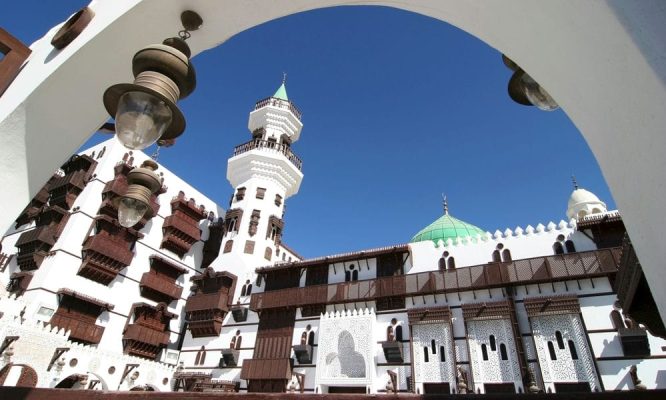

Key moments in the history of the Bride of the Red Sea.
Caliph Uthman ibn Affan establishes Jeddah as the official Hajj port.
Mamluks fortify the city against Portuguese attacks.
King Abdulaziz Al Saud enters Jeddah, beginning the modern era.
Historic Jeddah is officially recognized as a World Heritage Site.
Immerse yourself in the magic of Old Jeddah. Our curated 4-day itinerary takes you through ancient gates, inside the Naseef House museum, and through the vibrant Souq Al Alawi.
The best time to visit is during the cooler months from November to March. Evenings are particularly magical year-round, as the buildings light up and the temperature drops, bringing the souqs to life.
Modest dress is recommended. For men, long trousers and shirts. For women, loose-fitting clothing covering shoulders and knees is appropriate. Abayas are common but not strictly mandatory for tourists, though highly respectful of local culture.
Yes, it is very safe. Tourism police are present, and the locals are renowned for their hospitality. Standard travel precautions apply.
Rawashin (singular: Roshan) are the projecting wooden bay windows characteristic of Jeddah architecture. They provide shade, allow air circulation, and allow residents to look out without being seen.
Yes, several houses like Naseef House, Matbouli House, and Baeshen House have been converted into museums or cultural centers open to the public.
Absolutely. Deira Tours offers specialized guided tours which provide deep historical context you might miss walking alone.
Souq Al Alawi offers oud (perfume), spices, traditional textiles, gold, and local handicrafts. Dates are also a popular purchase.
Photography of buildings and scenery is generally welcomed. However, always ask for permission before taking photos of local people, especially women.
It is approximately 25-30 minutes by car from King Abdulaziz International Airport (JED), depending on traffic.
No, alcohol is illegal in Saudi Arabia.
Shops briefly close during prayer times (roughly 20-30 minutes). It's respectful to wait or pause your activities during these times.
Have more questions?
Contact our support team